Project Overview
This project focuses on documenting the cultural heritage destruction and artifact dispersal of Yuanmingyuan (Old Summer Palace) during the Eight-Nation Alliance invasion of 1900-1901. Using LODLAM (Linked Open Data in Libraries, Archives and Museums) methodologies, we create structured data and digital representations of ten selected cultural heritage items related to this historical event, examining their current locations, provenance, and historical significance.
Historical Background
Yuanmingyuan, known as the "Garden of Gardens," was one of the most magnificent imperial garden complexes in Chinese history. Built over more than a century during the Qing Dynasty, it covered over 3.5 square kilometers and housed countless treasures including rare books, paintings, porcelain, bronze artifacts, and architectural marvels that combined Chinese and Western artistic traditions.
The palace complex had already suffered significant damage during the Second Opium War in 1860 when British and French forces looted and burned much of the site. However, the events of 1900 during the Eight-Nation Alliance invasion marked another devastating chapter in its destruction. The alliance forces, comprising troops from Britain, France, Germany, Russia, the United States, Japan, Italy, and Austria-Hungary, occupied Beijing following the Boxer Rebellion. During this period, systematic looting continued, and many remaining artifacts were removed from Yuanmingyuan and surrounding imperial collections.
The 1900 invasion resulted in the further dispersal of Chinese cultural heritage across multiple nations. Unlike the earlier destruction, this period saw more organized removal of artifacts, with objects eventually finding their way into museums, private collections, and auction houses worldwide. The scale of this cultural dispersal continues to impact discussions about cultural heritage, repatriation, and the legacy of colonial collecting practices.
Project Focus and Methodology
Our research concentrates on ten specific items that document and relate to Yuanmingyuan (Old Summer Palace) during two critical periods of cultural heritage disruption: the Second Opium War (1856-1860) and the Eight-Nation Alliance invasion (1900-1901). These items encompass a diverse range of materials including looted artifacts, historical photographs, archival documents, and treaties that collectively illustrate the scope of destruction, cultural dispersal, and historical documentation of this period.
The selected items serve multiple documentary functions: some are cultural artifacts that were removed from imperial collections during the conflicts; others are photographic records that capture the physical state of Yuanmingyuan and related sites during and after these events; and still others are historical documents, such as the Boxer Protocol, that formalized the political and economic consequences of these conflicts.
The project employs digital humanities methods to create structured metadata for each item, trace their provenance where possible, and analyze the institutions that currently hold them. We utilize standard metadata schemas including Dublin Core, SPECTRUM, CCO, MODS, and TEI encoding to ensure interoperability with existing cultural heritage databases.
Through this focused approach, we aim to demonstrate how digital technologies can be used to document and analyze episodes of cultural heritage destruction, while creating accessible resources for education and research about this important period in Chinese and world history.
Selected Heritage Items
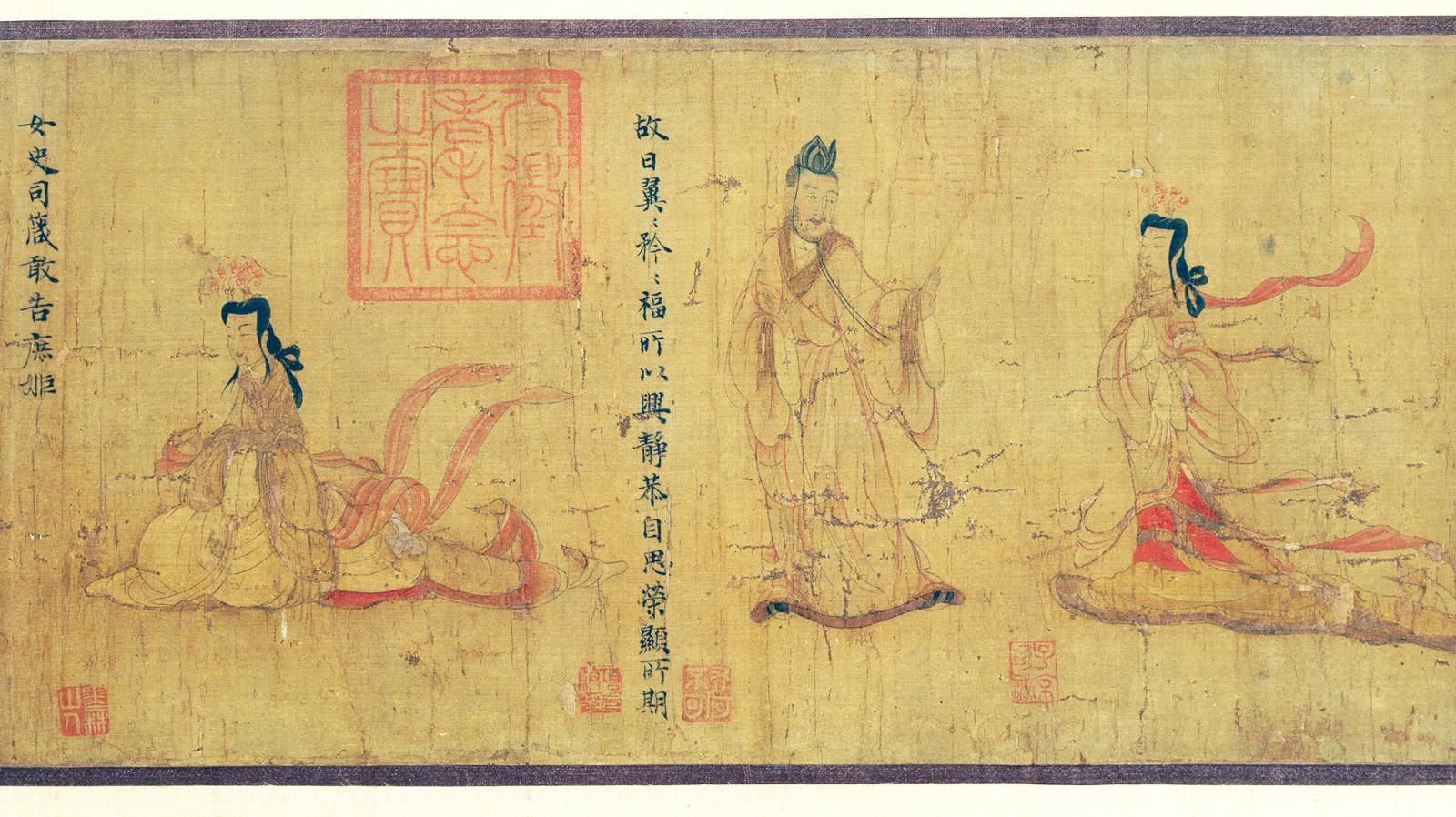
Admonitions of the Instructress to Court Ladies
5th-7th Century AD (Tang Copy)
Handscroll painting attributed to Gu Kaizhi style. Ink and color on silk, 348.5cm long. From Qianlong Emperor's collection, looted during Boxer Rebellion (1900). Now at British Museum.
View Detail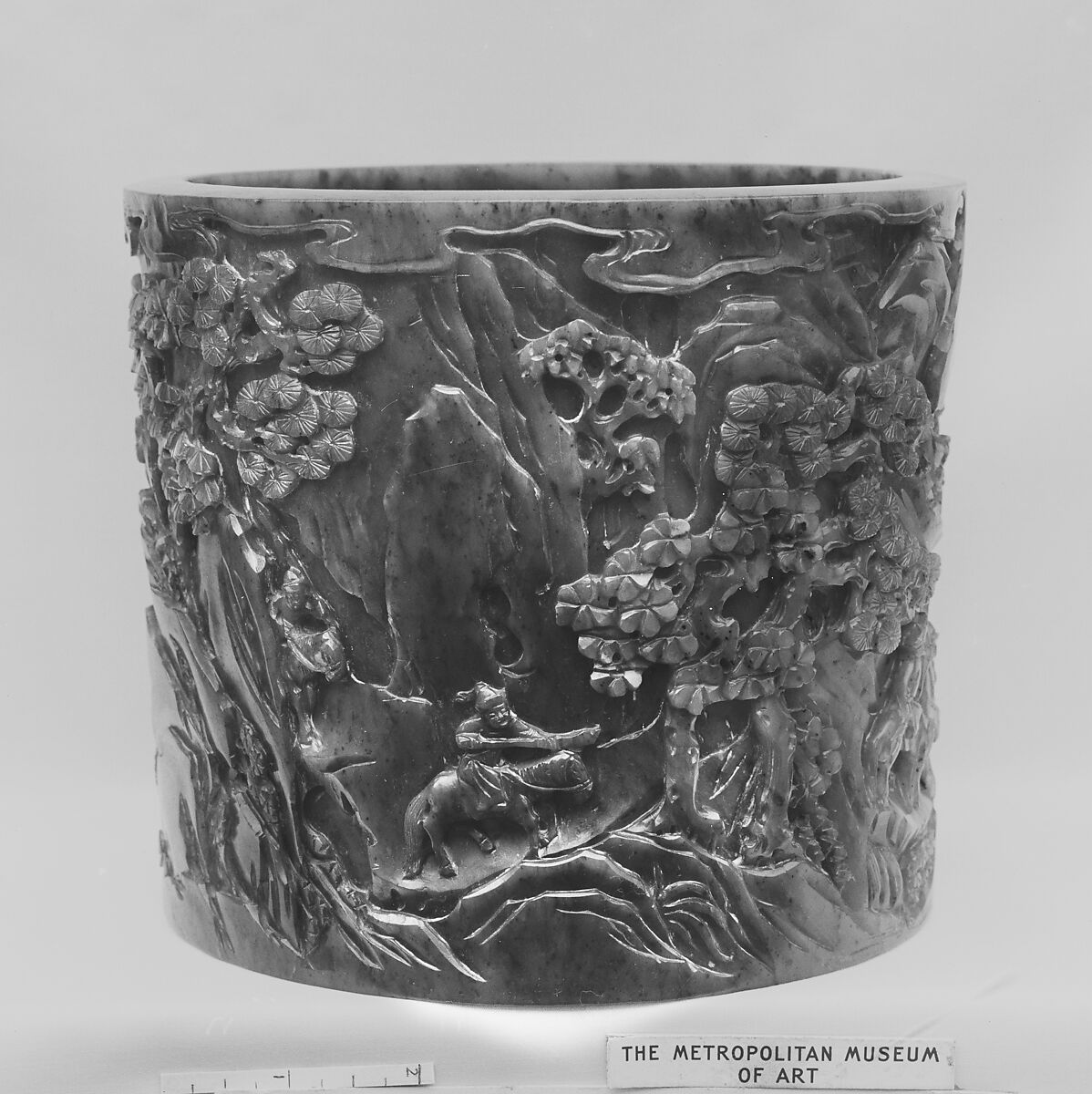
Brush Holder
Qianlong Period (1736-1795)
18th century jade brush holder from the F.O. Matthiessen Collection. Height 15.9cm, Width 17.5cm. Donated to Metropolitan Museum of Art in 1903.
View Detail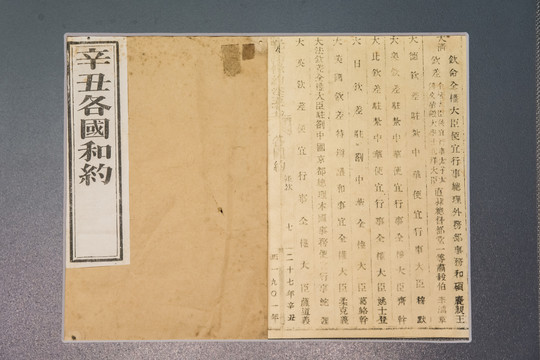
Boxer Protocol
September 7, 1901
Full-text international treaty between Eight-Nation Alliance and Qing China. Contains 12 articles and annexes establishing reparations framework following the Boxer Rebellion.
View Detail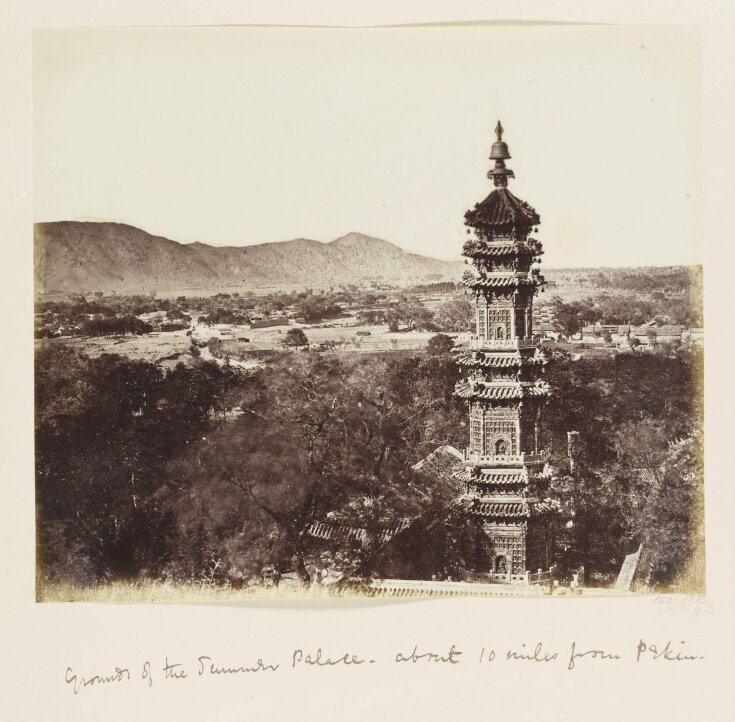
Summer Palace Grounds Photograph
October 6-18, 1860
Albumen print by Felice Beato documenting the Summer Palace grounds near Beijing. Part of Second Opium War documentation, now at Victoria & Albert Museum.
View Detail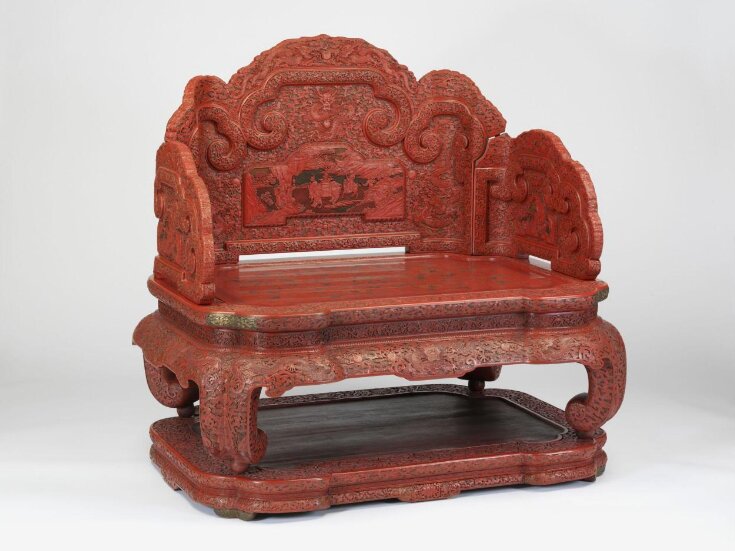
Throne
1775-1780
Carved polychrome lacquer throne with five-clawed dragon motifs. Looted from Tuanhe Palace by Russian troops in 1900 during Eight-Nation Alliance occupation. Now at V&A Museum.
View Detail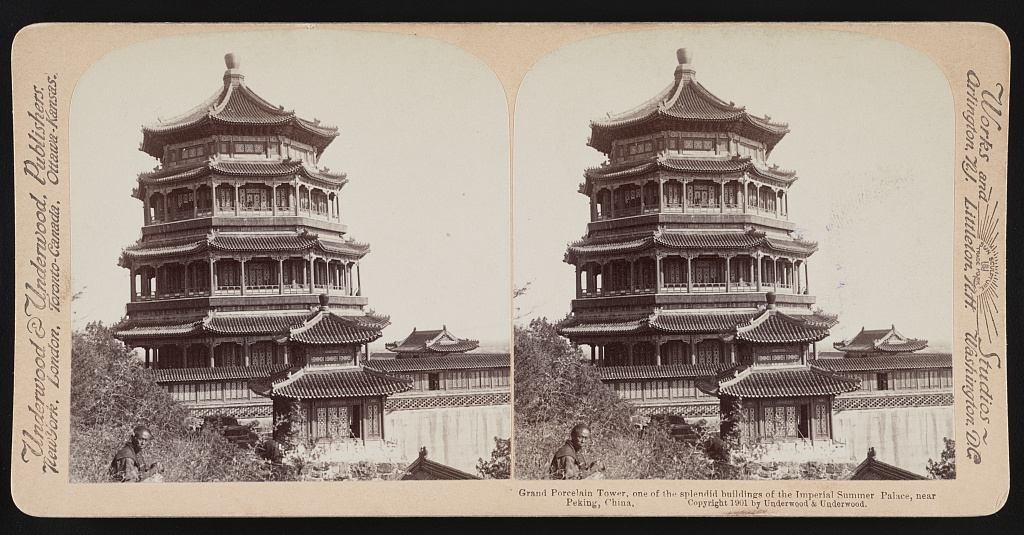
Grand Porcelain Tower Stereograph
1901 (Photographed 1900)
Stereograph by James Ricalton showing the Grand Porcelain Tower of the Imperial Summer Palace. Published by Underwood & Underwood, now at Library of Congress.
View Detail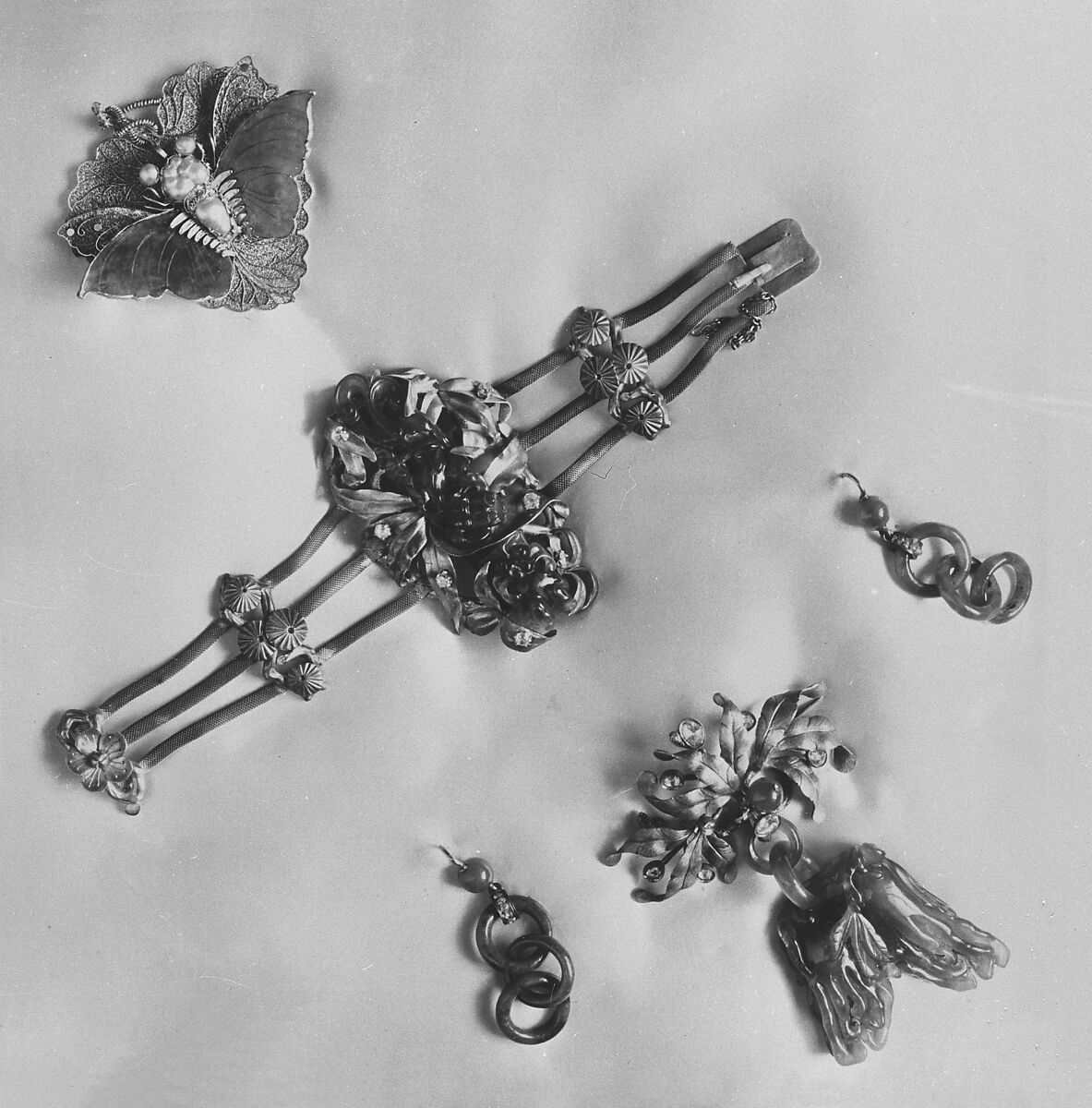
Jewelry
Qianlong Period (1736-1795)
Emerald green jadeite set including pendant, earrings, and bracelet. Part of Heber R. Bishop Collection from Yuanmingyuan, acquired during 1860 expedition. Gift to MMA 1902.
View Detail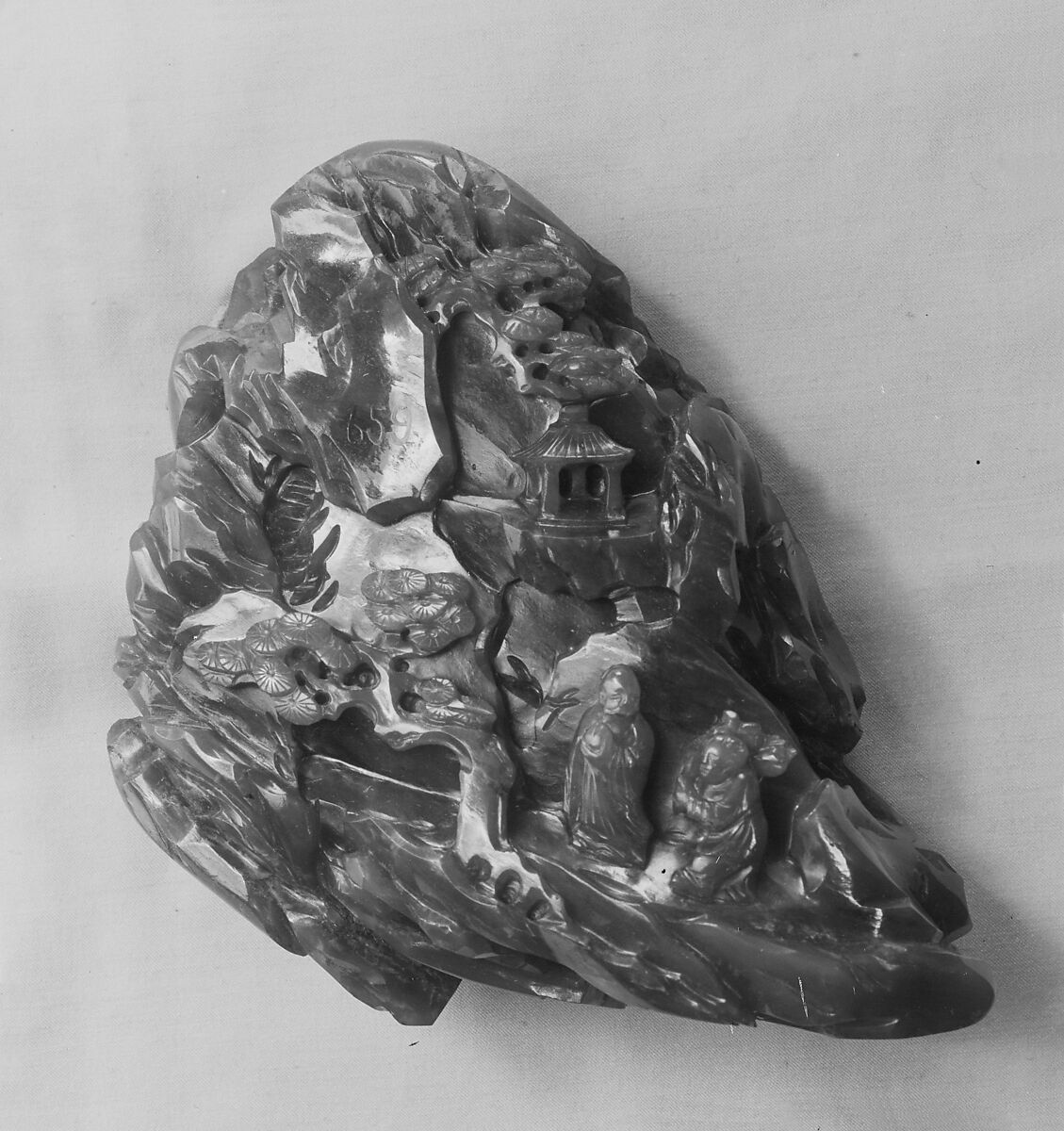
Longevity Mountain (Carving)
Qianlong Period (1736-1795)
Golden-emerald nephrite mountain carving from Imperial Summer Palace. Height 10.3cm. Part of Bishop's Yuanmingyuan collection acquired during 1860. Gift to MMA 1902.
View Detail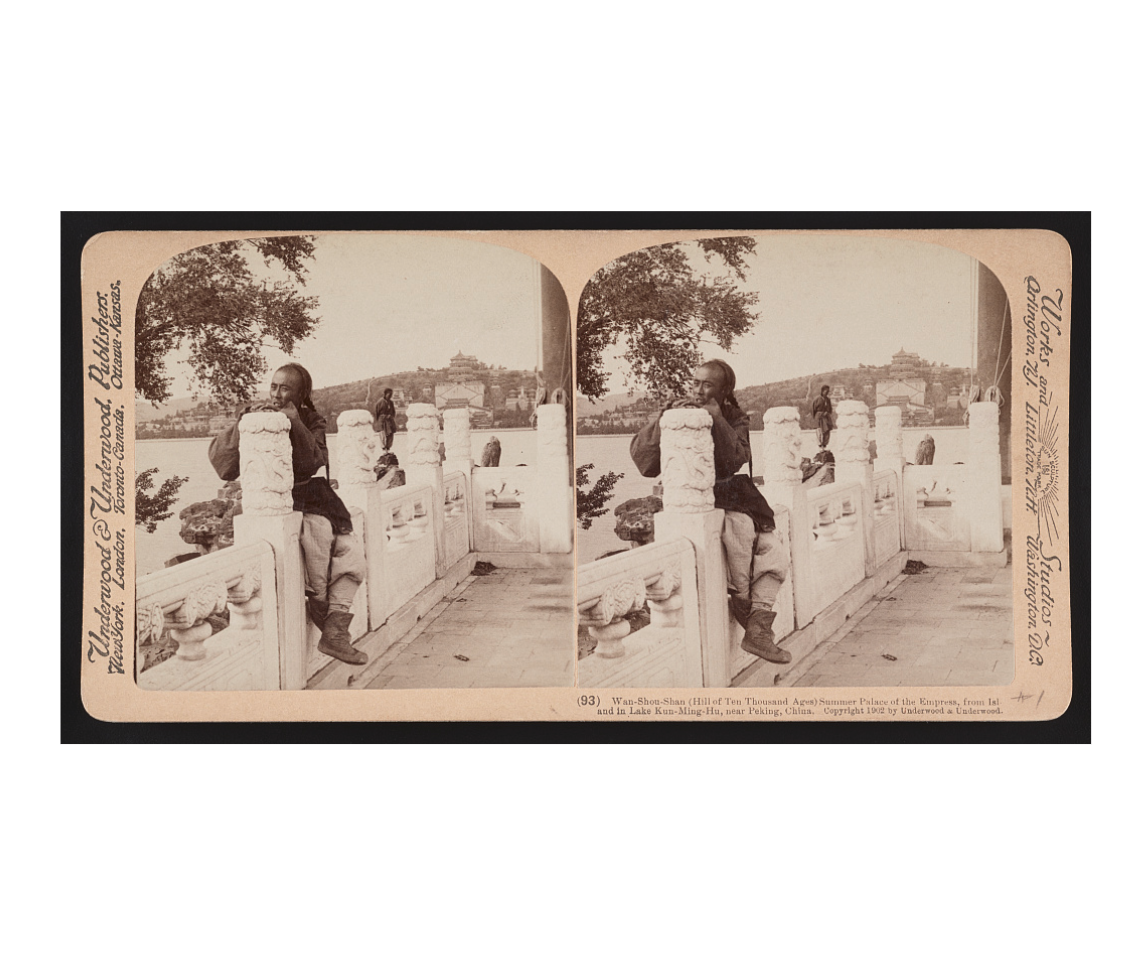
Longevity Mountain (Stereograph)
Photographed 1900
Stereograph by James Ricalton showing Summer Palace from Lake Kung-Ming-Hu island. Documents Boxer uprising period. Part of "China through the stereoscope" series.
View Detail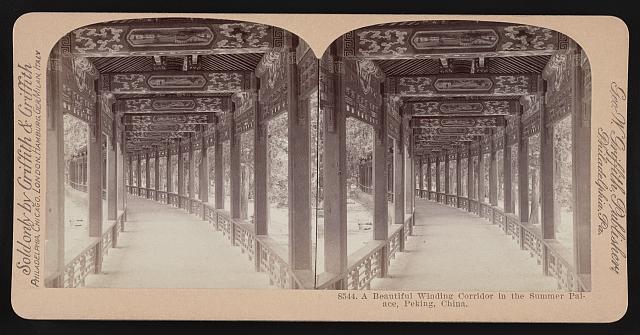
Beautiful Winding Corridor
1901
Stereograph photograph documenting architectural features of the Summer Palace corridor in Beijing. Mount size 9x18cm. Part of Library of Congress collection, no publication restrictions.
View DetailKnowledge Organization
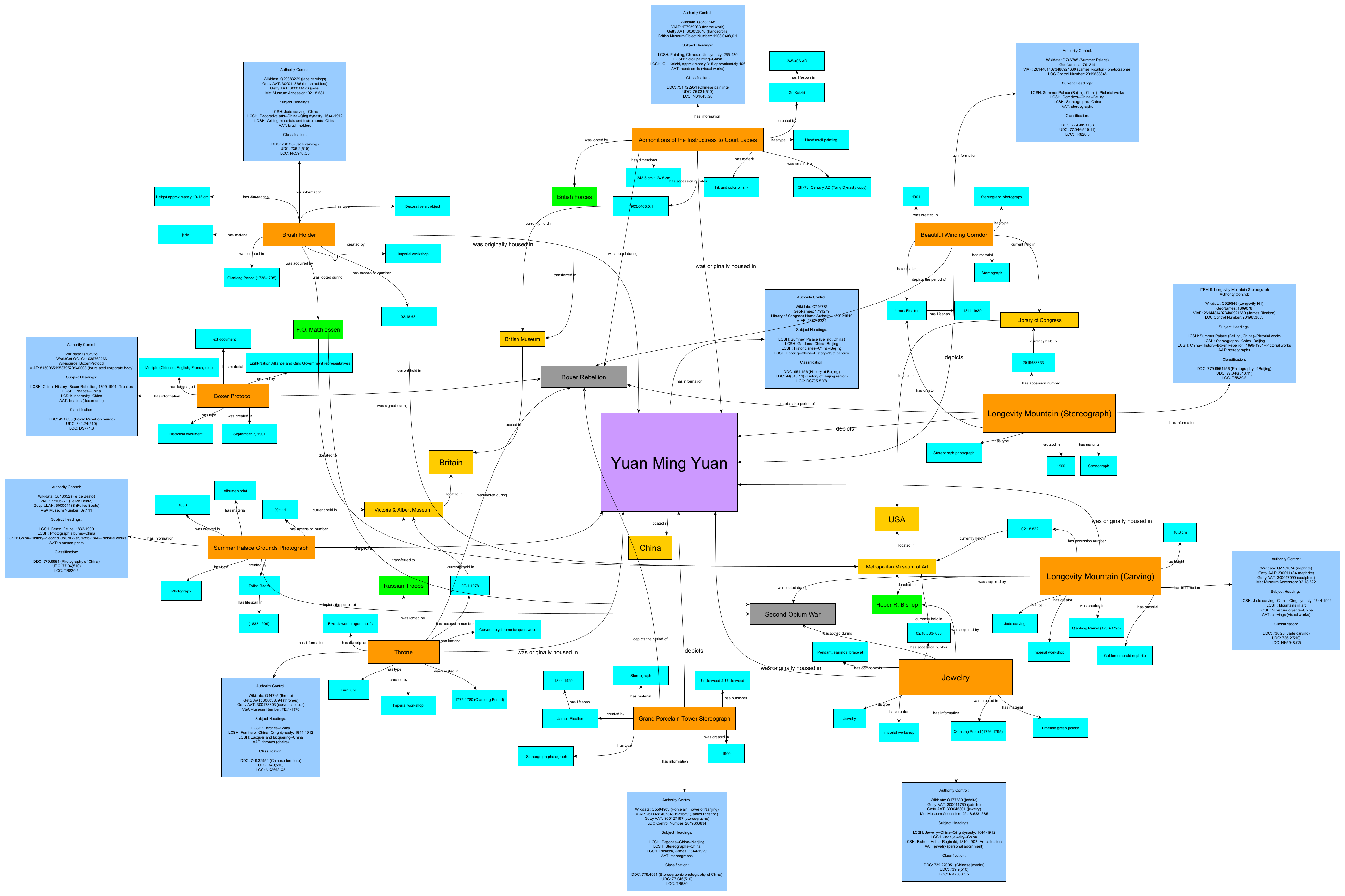
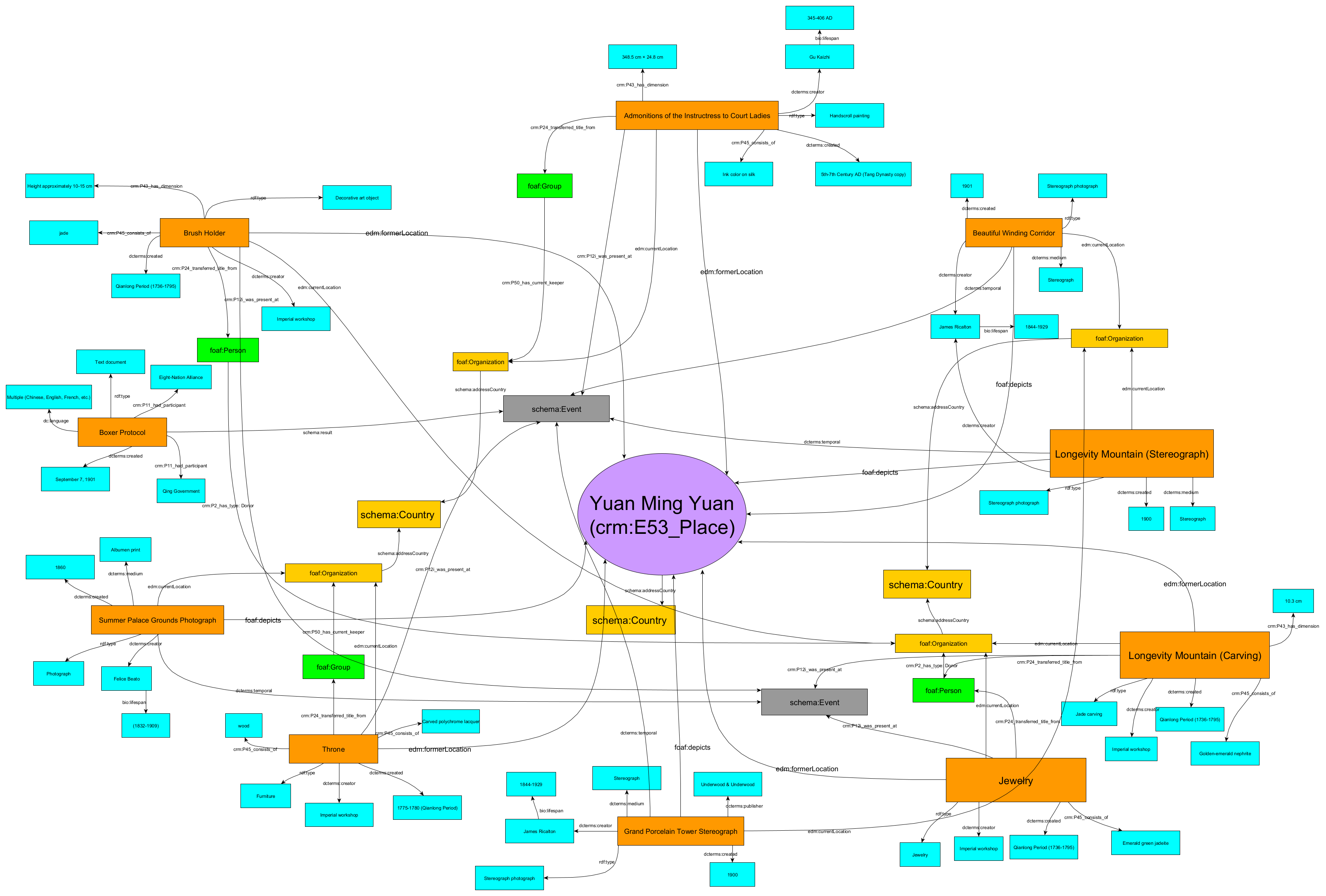
The following diagrams illustrate the theoretical and conceptual models developed for this project. The theoretical model presents the natural language description of relationships between entities, while the conceptual model formalizes these relationships using established ontologies and vocabularies from the LODLAM domain.
Theoretical Model
Natural language representation of the domain entities and their relationships, capturing the complex network of cultural heritage items, institutions, and historical events.
Conceptual Model
Formal representation using RDF/RDFS/OWL vocabularies and established ontologies including Dublin Core, EDM, FRBR, and domain-specific schemas.
KNOWLEDGE REPRESENTATION
This section presents the knowledge representation phase of our project, where we transform heritage item descriptions into structured, machine-readable formats following LODLAM best practices. The workflow consists of five key steps: creating structured CSV data, encoding a full-text document in TEI XML, transforming XML to HTML and RDF formats, and finally producing a unified RDF dataset for the entire collection.
All source files, transformation scripts, and outputs are available in our GitHub repository for reproducibility and further research.
Structured Data Collection
CSV Files with RDF Triples
Ten CSV files containing subject-property-object triples for each heritage item, following RDF principles and utilizing standard metadata vocabularies including Dublin Core, CIDOC-CRM, Europeana Data Model, and Schema.org.
TEI XML Document
Full-Text with Semantic Markup
Complete transcription of the Imperial Edict of February 13, 1901, related to the Boxer Protocol. The document is encoded using TEI P5 standards with semantic markup for persons, places, organizations, dates, and events.
XML to HTML Transformation
Python-based Document Conversion
Python script that converts TEI XML markup into semantic HTML with styled presentation. The transformation preserves semantic annotations (persons, places, organizations) while creating a visually appealing, accessible HTML document.
TEI XML to RDF Transformation
Semantic Web Conversion
Python script that extracts structured information from TEI XML and converts it into RDF triples using standard ontologies including FOAF (persons and organizations), Schema.org (events and documents), and CIDOC-CRM (cultural heritage entities).
Complete RDF Dataset
Unified Linked Data Collection
Comprehensive RDF dataset combining all ten heritage items into a unified linked data structure. The dataset is available in multiple serialization formats to ensure compatibility with different RDF tools and applications. Generated using the csv_to_rdf.py script which processes all CSV files according to our conceptual ontology model.
Available RDF Serializations:
Complete Project Repository
Access all project files, documentation, and resources in our GitHub repository.
View Complete Repository on GitHub →THE TEAM